Full Pool Maintenance: Keep Your Pool Brilliant Year-Round
Proper pool care is essential for every pool owner. It guarantees a clean and safe swimming environment all year long. Consistent upkeep not only enhances water transparency but also avoids costly repairs. Understanding the important tasks involved can make a noticeable difference. With the right tools and knowledge, anyone can manage their pool effectively. Yet, many miss essential aspects that could improve their pool experience. What are these vital practices that can turn a standard pool into a perfect oasis?
What Every Pool Owners Must Learn About Proper Care
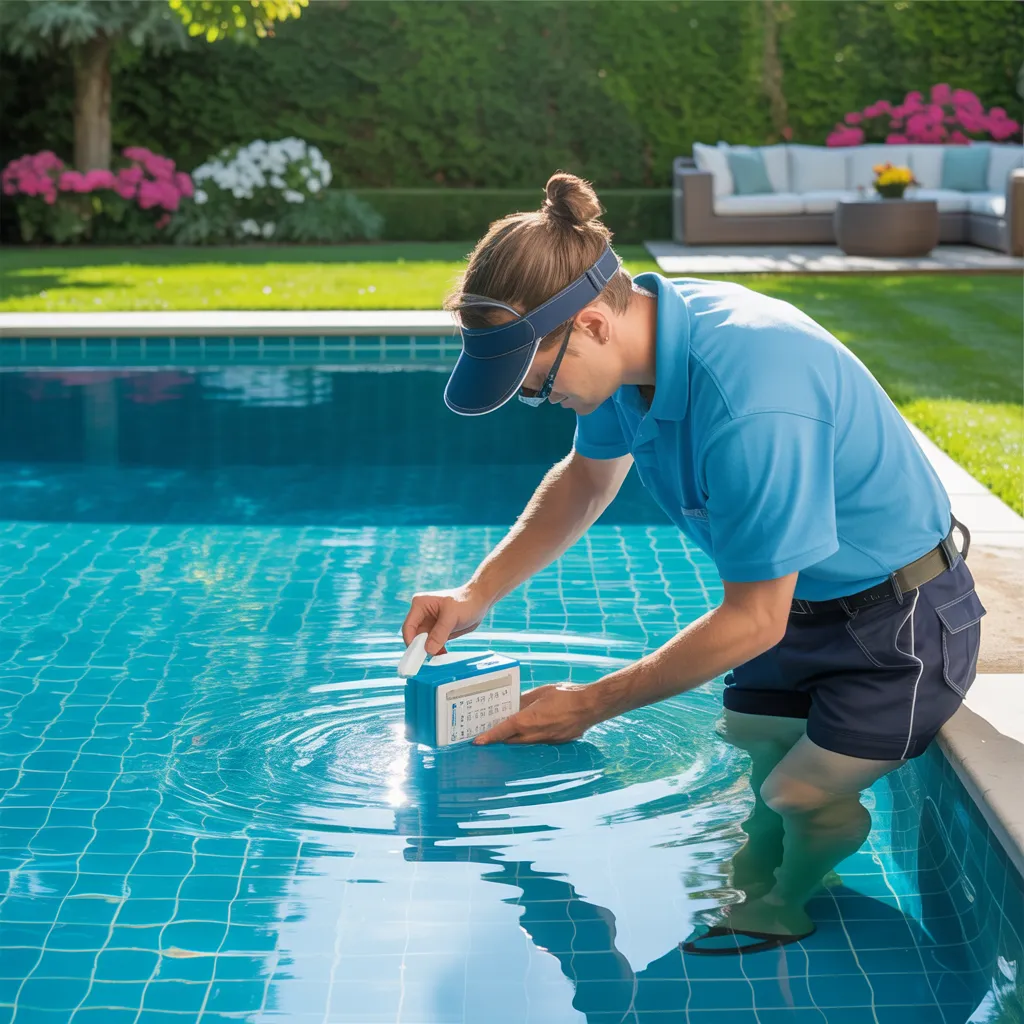
Maintaining a pool involves careful attention and knowledge of essential practices. Every pool owner should recognize the importance of consistent upkeep to ensure water clarity and safety. Routine tasks include checking chemical levels, which should be balanced to stop algae formation and maintain swimmer comfort. Filtration systems need consistent monitoring, as they play a crucial part in keeping water clean.
Property owners should inspect pool surfaces and equipment as well for wear or damage signs, quickly resolving problems to avoid costly maintenance. Routine skimming and vacuuming work to eliminate particles impacting water condition.
Understanding seasonal changes is vital; preparing a pool in colder climates can defend it from deterioration. Understanding of local requirements regarding pool care can also assist owners in meeting safety codes. Finally, a forward-thinking strategy to pool upkeep not only improves the swimming session but also lengthens the life of the pool itself.
Critical Tools for Proper Pool Care
A well-equipped pool owner recognizes that possessing appropriate equipment is essential for efficient pool care. Key instruments include a skimmer net, which effectively eliminates floating waste on top of the water, and a suction cleaner to clean the pool floor. A reliable pool brush is important for cleaning the walls and steps, avoiding algae buildup. Additionally, a water testing kit is necessary for monitoring chemical levels, guaranteeing a safe swimming environment.
To maintain proper circulation, a high-quality pool pump is essential, while a filter system preserves the water clean. Pool upkeep also gains from equipment like a telescopic pole, permitting users to access difficult areas. Finally, purchasing a cover shields the pool from debris and cuts down on upkeep duration. These vital equipment allow pool owners to care for their pools efficiently, making them pristine and inviting throughout the year.
How Routine Cleaning Ensures Your Pool Pristine
Keeping your pool sparkling needs regular maintenance, stopping dirt buildup while preserving water clarity. The right equipment combined with a regular cleaning schedule are essential to this process. Understanding the advantages of regular maintenance will boost both your pool's appearance and durability.
Necessary Cleaning Items You Need
While savoring a spotless pool is a satisfaction for any homeowner, the appropriate cleaning equipment are vital for preserving it in radiant condition. A sturdy skimmer net is indispensable for pulling out leaves and debris from the top of the water. Additionally, a pool brush aids in upkeep of tile and wall purity, preventing algae growth. A vacuum, whether manual or automatic, can efficiently clean the pool floor, making sure no dirt remains. Water testing kits are also important for observing water chemistry, permitting for timely adjustments. Finally, a pool cover can protect the pool from contaminants when not in use, minimizing overall cleaning time. Together, these tools establish the foundation for successful pool maintenance, contributing to a consistently welcoming swimming environment.
How Often Should You Clean Your Pool
How frequently should a pool be maintained to maintain its sparkle? Consistent maintenance is essential to ensure a immaculate aquatic space. Typically, pools should be skimmed and swept each week to remove debris, leaves, and grime. Furthermore, brushing the walls and floor at least once a week aids in avoid algae buildup. Water chemistry should be tested two to three times a week to guarantee proper balance, while filters need cleaning or replacement according to manufacturer recommendations, typically every 1-3 months. Periodic deep cleaning is also recommended, including intensive cleaning and inspection of equipment. By sticking to this maintenance routine, pool owners can keep a sparkling pool, decreasing the likelihood of more significant issues arising later.
Advantages Of Frequent Maintenance
Regular upkeep not only boost the appearance of a pool but also significantly aid its overall well-being and life span. Regular upkeep prevents the buildup of dirt, algae, and dangerous microorganisms, ensuring a safe swimming environment. By swiftly managing these concerns, pool owners avoid expensive repairs and increase the lifespan of their pool systems. Moreover, regular cleaning supports balanced water chemistry, essential to avoid corrosion and scaling. A properly cared-for pool offers a better swimming experience since clear water and a clean surface invite swimmers. In the end, consistent maintenance is crucial to keeping both the function and appearance of a pool intact year-round.
Maintaining Pool Chemicals: A Straightforward Guide
Keeping pool chemicals balanced is vital for maintaining water clarity and well-being. Key components include chlorine, alkalinity, and pH levels, all of which necessitate periodic monitoring. Analyzing the water routinely and making necessary corrections guarantees a healthy swimming environment.
Critical Chemical Ingredients
Preserving a immaculate and secure swimming pool is contingent upon understanding necessary chemical components. The primary chemicals utilized contain chlorine, pH balancers, alkalinity increasers, and calcium hardness. Chlorine operates as a sanitizer, obliterating destructive bacteria and algae formation. Maintaining the correct pH level, optimally between 7.2 and 7.6, guarantees potent chlorine function and prevents skin irritation. Alkalinity buffers help buffer pH oscillations, while calcium hardness prevents material erosion and mineral deposits. Every one of these parts has a fundamental part in overall water quality and aquatic safety. Diligent care to these chemicals not only enhances the pool's purity but also prolongs the life of the pool and its equipment, making it fundamental for any pool owner to apprehend their consequence.
Periodic Water Analysis
Periodic water screening is necessary for upholding excellent swimming conditions and proper chemical balance in a pool. This strategy pinpoints deviations that can trigger algae growth, cloudy water, or skin irritation. Testing should be carried out at least once a week, with increased checks during peak usage or extreme weather conditions. Key indicators to assess include chlorine levels, alkalinity, and hardness. Making use of test strips or liquid kits, pool owners can obtain accurate readings and make deliberate conclusions about necessary adjustments. Consistent testing not only reinforces the pool's appeal but also promotes the endurance of pool equipment. By underscoring regular water testing, pool owners can establish a safe and inviting environment for swimmers throughout the year.
Balancing pH Readings
While a properly preserved pool offers an inviting escape, incorrect pH levels can undermine its overall quality and swimmer enjoyment. pH levels play a crucial role in the efficiency of sanitizers and the general health of the pool setting. Ideally, the pH should fall between 7.2 and 7.8. When levels fall below this range, water becomes acidulous, possibly leading to surface irritation and corrosion of pool apparatus. Conversely, elevated pH levels can contribute in murky water and reduced disinfectant performance. Regular checking with pH strips or digital testers is critical. If adjustments are needed, incorporating pH booster (sodium carbonate) or pH decreaser (sodium bisulfate) can restore stability. Upholding proper pH guarantees a safe and enjoyable swimming activity.
Resolving Your Pool Issues: Rapid Solutions
Diagnosing swimming pool troubles may be challenging, but immediate fixes regularly are there for common issues. For turbid water, assessing and adjusting pH and chlorine levels can usually return clarity. If the filter is malfunctioning, searching for clogs or substituting the filter media may rectify the problem promptly. When facing algae growth, giving the pool a chlorine shock with a chlorine treatment can rapidly clear it, followed by cleaning the walls and floor surfaces.
In cases of water losses, locating the origin is crucial; using dye tests can help find small leaks around fittings or skimmers. For non-starting equipment, checking power sources and resetting timers often does the trick. Finally, if the pool surface shows stains, applying a suitable cleaning agent or scrub can help restore its appearance. By tackling these problems quickly, pool owners can maintain a clean and enjoyable swimming environment throughout the year. shows stains, applying a suitable cleaning agent or scrub can help Should leaks develop, finding the cause is essential; using tracer dye methods can help locate small leaks around fittings or skimmers. For systems that refuse to start, inspecting power supplies and resetting timers often does the trick. Finally, if the pool area shows blemishes, applying a suitable cleaning agent or scrub can help return it to its original state. By tackling these matters rapidly, pool owners can maintain a clean and enjoyable swimming environment throughout the year.
Guidelines for Optimizing Your Pool's Aesthetic Appeal
What ways can pool owners reshape their outdoor space into a beautiful oasis? One effective strategy is to integrate surrounding landscaping. Lush greenery and colorful flower beds can make a vibrant contrast against the pool's blue water. Additionally, using ornate pots with tropical plants provides depth and interest.
Lighting plays an important part as well. Underwater LED lights and strategically placed lanterns boost the evening mood, making the pool area inviting after sunset.
Including stylish furnishings is another key element. Comfortable lounge chairs, chic umbrellas, and elegant tables combine both functionality and aesthetic appeal.
Lastly, contemplate adding artistic touches such as mosaics or sculptures. These distinctive additions can serve as focal points, elevating the overall design. By incorporating these elements, pool owners can establish a enchanting environment that encourages relaxation and enjoyment all year round.
Common Posed Questions
How often Times Should I Test My Pool Water Chemistry?
Pool water composition testing should occur at least once a week during the swimming season. In cooler months, bi-weekly tests may suffice. Regular testing guarantees balanced water, promoting additional information safety and ideal swimming conditions for users.
What Indicators Show Common Pool Algae Problems?
Typical signs of pool algae infestation include green or hazy water, greasy surfaces, noticeable dark or green spots on walls, and a strong odor. Regular inspections can help recognizing these issues promptly, ensuring efficient treatment.
Can You to Use Common Household Cleaning Compounds in My Swimming Pool?
Using common household cleaners in a pool is not advisable. These chemicals can upset the water's chemical composition, likely injuring pool users and damaging pool components. It's best to use cleaning solutions purpose-built for pool care.
How Can I Winterize My Pool Efficiently?
To prepare for winter a pool efficiently, one should reduce the water height, clean the pool thoroughly, introduce winter chemicals, cover the pool securely, and guarantee all equipment is drained and stored properly to avoid damage.
What Options Do I Have if My Pool Pump Is Making Sound?
If the pool pump is loud, the owner should inspect for debris, ensure proper oil maintenance, and examine the motor. If issues continue, consulting a professional or replacing the pump may be necessary for effective resolution.